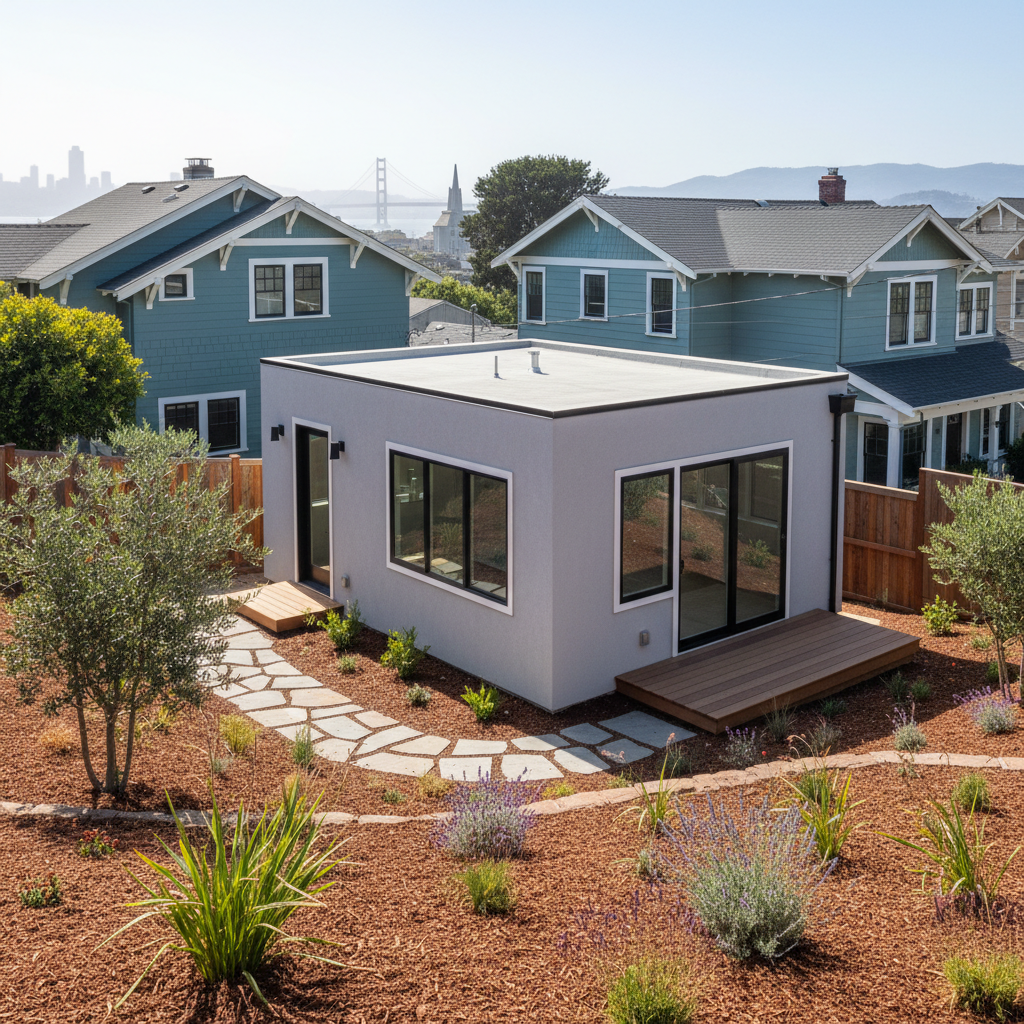
Alright, let's talk about ADU site assessments here in San Francisco. You're probably wondering what this even is and, more importantly, what it's going to cost you. Look, before you even think about design or permits, you need to know what you're working with. A proper site assessment isn't just some bureaucratic hoop; it's the bedrock of your entire ADU project. Skimp here, and you'll pay for it later, I guarantee it.
What's a Site Assessment, Anyway?
Basically, it's a deep dive into your property to figure out what's actually possible for an ADU. It's not just walking around your backyard, you know. We're talking about understanding the lay of the land, what's underground, what the city will let you do, and what challenges might pop up. It's about getting real answers before you spend big money on architectural plans that might not even be feasible. That'd be a waste.
What Makes the Price Go Up (or Down)?
You want numbers, I get it. But first, you gotta understand what moves the needle on these costs. It's not a one-size-fits-all thing, especially not in a city like San Francisco.
- Property Complexity: Is your lot flat as a pancake or sloped like a hill in Twin Peaks? Does it have weird easements or mature trees everywhere? The more complicated your site, the more work it takes to assess.
- Existing Structures: Are we talking about a simple backyard build, or are you looking to convert a garage that's already got some questionable plumbing? Existing structures can add layers of investigation.
- Scope of Work: A basic assessment might just look at zoning and utilities. A comprehensive one will include detailed surveys, geotechnical reports, and more. You get what you pay for, usually.
- Consultants Needed: Sometimes, we need specialists. Think civil engineers for drainage, arborists for protected trees, or structural engineers if we're messing with foundations. Each specialist adds to the bill.
- Location within SF: Believe it or not, access can play a role. Getting equipment and people to a tight lot in, say, the Castro, might be tougher than a more open space in the Outer Sunset.
Typical Cost Ranges for an ADU Site Assessment in SF
Okay, let's get down to some real numbers. For a comprehensive ADU site assessment in San Francisco, you're generally looking at a range. This isn't just one guy showing up; it's often a team of professionals.
- Basic Feasibility Study (Desktop Review & Site Visit): This is your entry point. Someone like us at San Francisco ADU Solutions will come out, look at your property, check public records for zoning and permits, and give you a preliminary idea of what's possible. This might run you anywhere from $1,500 to $3,500. It's good for a quick 'can I even do this?' answer.
- Standard Site Assessment (Includes Survey & Basic Engineering Review): This is where things get more serious. It'll include a professional land survey (critical for property lines and topography), a more in-depth review of utilities, and an initial engineering assessment for things like drainage or potential structural issues. Expect to pay between $5,000 and $10,000 for this level of detail. This is what most serious projects need.
- Comprehensive Assessment (Includes Geotech, Arborist, Extensive Engineering): If you've got a tricky lot, a steep slope, or you're planning a larger, more complex ADU, you'll need this. This includes a geotechnical report (soil testing, super important on our soft Bay Area soils), possibly an arborist report if you have significant trees, and more detailed civil and structural engineering input. This can easily climb to $10,000 to $25,000+. Yeah, it's a chunk of change, but it saves you from major headaches and cost overruns later.
Remember, these are estimates. Your specific situation will dictate the final price.
What's Usually in a Quote?
When you get a quote for a site assessment, make sure it spells out exactly what you're paying for. A good quote from a reputable contractor or consultant should include:
- Site Visit & Existing Conditions Analysis: Someone physically coming to your property to observe and document.
- Zoning & Code Analysis: A review of San Francisco's specific ADU ordinances, setback requirements, height limits, and other relevant codes.
- Utility Research: Locating existing water, sewer, gas, and electrical lines on your property.
- Preliminary Feasibility Report: A written summary of findings, identifying potential opportunities and constraints.
- Conceptual Layouts (sometimes): Some assessments might include a very rough sketch of where an ADU could go.
- Consultant Coordination (if applicable): If they're bringing in a surveyor or engineer, their fees should be itemized or clearly stated as included.
Always ask for a breakdown. Don't just accept a lump sum if you don't know what's in it.
How to Avoid Spending Too Much
Nobody wants to throw money away. Here's how to be smart about your site assessment costs:
- Be Clear About Your Goals: Before you even call someone, have a rough idea of what you want. A detached ADU? A garage conversion? The more specific you are, the more targeted the assessment can be.
- Get Multiple Quotes: This is a no-brainer. Talk to 2-3 different reputable contractors or ADU specialists. Compare their scope of work and pricing.
- Ask for Itemized Quotes: I said it before, but it's worth repeating. You need to see what each component costs. If a geotech report isn't needed for your flat, simple lot, you shouldn't be paying for one.
- Use Existing Information: Do you have old surveys? Architectural plans from a previous renovation? Property deeds? Provide anything you have to the assessor. It might save them time and you money.
- Understand the 'Why': If someone recommends an expensive soil test, ask why. A good professional will explain the necessity, especially if your property is on a known fault line or has a history of settlement.
A good site assessment isn't an expense; it's an investment. It helps you avoid costly surprises down the road, ensures your project is viable, and sets you up for a smoother build. Don't skip this step if you're serious about building an ADU in San Francisco.