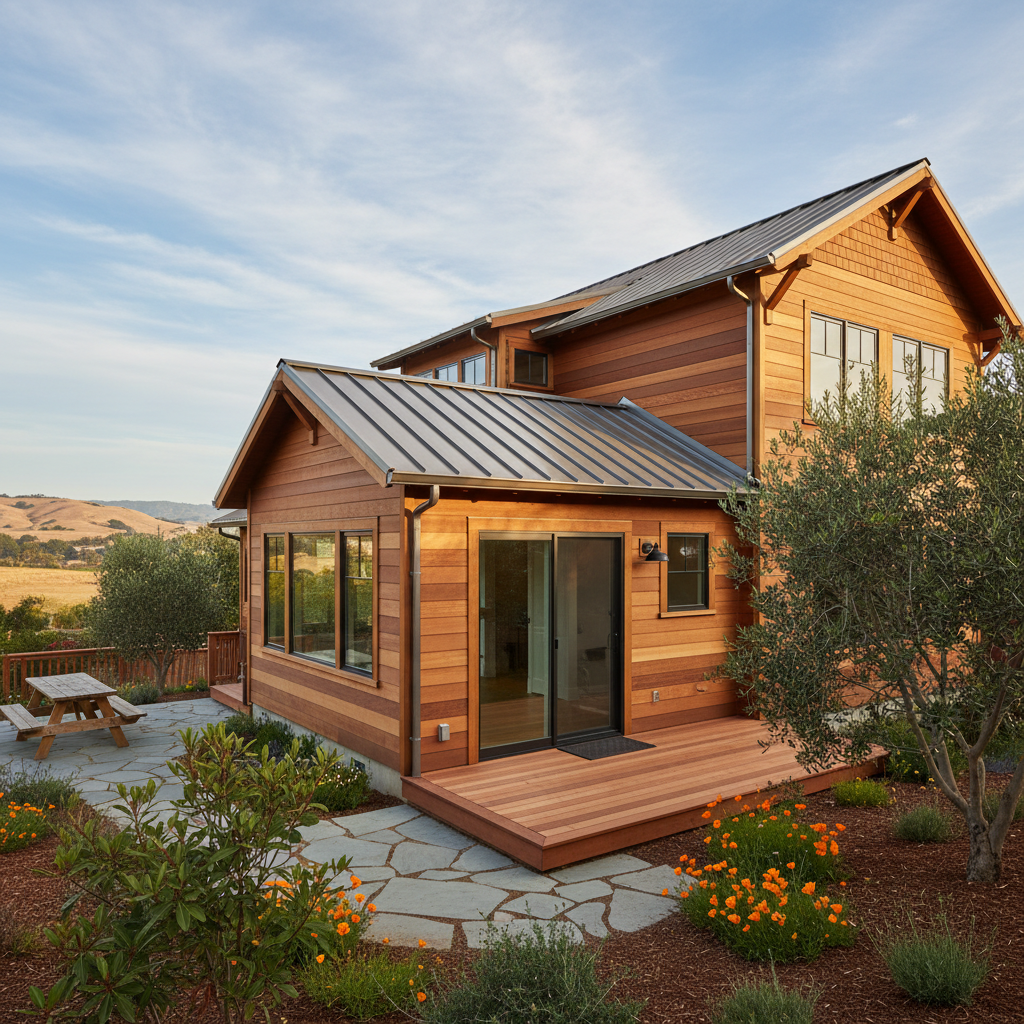
When's the Best Time to Build an Attached ADU in SF?
You're probably asking yourself, "When's the right time to even start this project?" For attached ADUs here in San Francisco, timing really is everything, especially with our famous microclimates. You might think California means endless sunshine, right? Well, not exactly, not around here.
Generally, I tell folks the best window for major exterior work – things like pouring foundations, framing, roofing, and siding – runs from late spring through early fall. That's usually May to October. Why then? Because that's when we get our driest, most predictable weather. You absolutely want to steer clear of the heavy winter rains when you're opening up walls or pouring concrete. A good, dry foundation cure is super important, and you definitely don't want rain soaking into exposed framing. It just makes everything harder, slows the job right down, and can cause problems later if things don't dry out completely.
That said, we can do interior work any time of year. Once the structure is "dried in" – meaning the roof, windows, and exterior walls are all buttoned up – we can work through the winter without much fuss. So, if you're planning ahead, think about getting those permits approved and your contractor lined up so you can break ground when the weather's on your side. Makes sense, doesn't it?
How Does SF Weather Impact Construction?
Our weather here is truly one-of-a-kind. It's not just rain; it's the fog, the wind, and that constant dampness. This isn't like building in Arizona, that's for sure. For an attached ADU, you're tying into an existing structure, and that means exposing parts of your main house to the elements. You really have to be smart about it.
- Rain: Obvious, right? Heavy rain can completely stop exterior work. Concrete pours get delayed. Trenches fill with water. Exposed lumber can get wet, and while it will dry, repeated soaking isn't ideal. We're always watching the forecast like hawks.
- Fog & Dampness: This is a big one, especially in neighborhoods like the Sunset or Richmond. Even if it's not raining, that persistent fog means high humidity. Paint and stucco don't cure as fast. Wood stays damp. It won't stop the job, but it means we need to be extra careful about drying times and protecting our materials.
- Wind: San Francisco winds can be brutal, especially on higher floors or exposed sites. It can make roofing dangerous, complicate scaffold work, and even mess with handling materials. We've had days where we simply can't safely lift large panels or set trusses because the wind is just too strong.
- Temperature Swings: While not extreme, our cool summers and mild winters mean materials expand and contract. Good flashing and proper sealing are non-negotiable to handle these shifts without letting moisture in.
As your contractor, we're always thinking about these factors. It's why we schedule certain tasks for specific times of the year and use materials designed to stand up to our unique climate.
Protecting Your Attached ADU Investment Year-Round
Once your attached ADU is built, you've got a fantastic asset. But it's not a "set it and forget it" deal, especially with our coastal environment. You absolutely have to protect that investment.
First off, drainage is king. Make sure your gutters are clean, downspouts are clear, and water always flows away from the foundation. I really can't stress this enough. Even a small leak can cause big problems over time, especially with the persistent dampness we get. Check around your foundation for any pooling water after a good rain. If you spot it, deal with it.
Next, think about exterior maintenance. Our fog and damp air can encourage mildew and algae growth on siding, particularly on the north-facing sides. A gentle cleaning every couple of years can keep it looking good and prevent long-term damage. Check your paint and caulking regularly. Cracks are an open invitation for moisture. If you see peeling paint or dried-out caulk, get it fixed promptly. It's cheap insurance against water getting in.
Don't forget your roof and flashing. High winds can lift shingles or loosen flashing around vents and skylights. Give your roof a visual inspection from the ground after any major storm. If you can safely get up there, check for debris or any obvious damage. Proper flashing where your new ADU roof ties into your existing home's roof is absolutely critical. We make sure that's done right during construction, but it's still smart to keep an eye on it.
Finally, consider your landscaping. While you want greenery, keep plants trimmed back from the ADU walls. They can trap moisture against the siding and create pathways for pests. Good air circulation around the structure is your friend.
Building an attached ADU with San Francisco ADU Solutions means we're building it to last against our local conditions. But a little proactive care from you goes a long way in keeping it in top shape for decades to come.