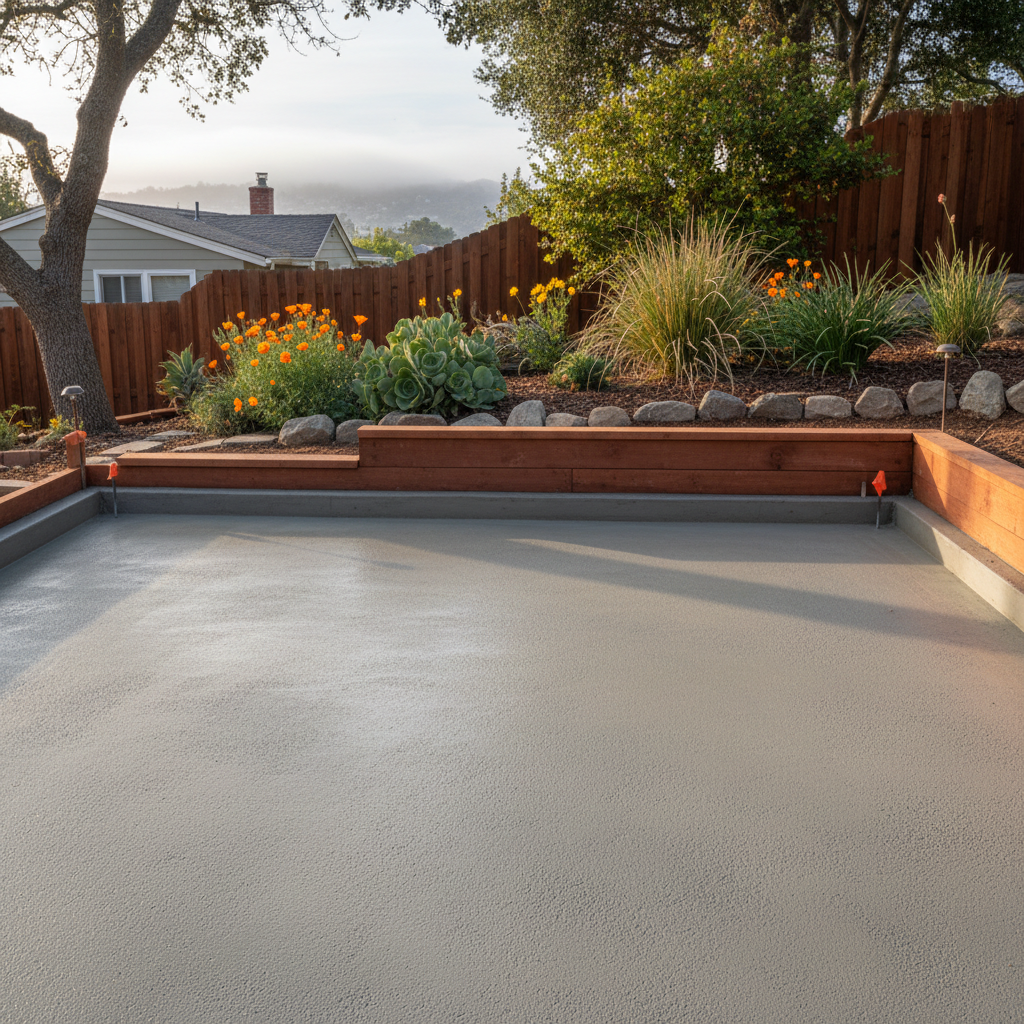
So, you're kicking around the idea of adding an ADU to your San Francisco property. That's great! But before you start dreaming up floor plans, you gotta figure out what your site can actually handle. This isn't just about how much space you have; it's about what's under the ground, what's above it, and what the city will even let you do. Let's break down how to assess your site.
Before You Call Anyone: Your DIY Homework
You can do a lot of preliminary legwork yourself, and honestly, it'll save you time and money down the road. First, pull out your property survey. Don't have one? Check with the Department of Building Inspection (DBI) or the Assessor-Recorder's office; sometimes they have records. This survey shows your property lines, easements, and any existing structures. You need to know exactly where your boundaries are.
Next, walk your property with a tape measure. Seriously, get out there! Measure the distance from your main house to your property lines, and from any existing structures like a garage or shed. Note down where your utilities come in: water, sewer, gas, electrical. Look for manholes, cleanouts, and meters. Are there big trees? Especially mature ones? Their roots can be a real headache for foundations and utility lines, and some are protected, meaning you can't just cut 'em down.
Think about access. How will construction materials get to the back of your lot? Can a mini-excavator squeeze through that side gate, or will everything have to be hand-carried? This might sound small, but it can add thousands to your build cost if access is tough.
When to Bring in the Pros: Early Assessments
Once you've done your initial look, it's time to get some expert eyes on it. This is where San Francisco ADU Solutions comes in. We're not just builders; we're problem-solvers, and a good site assessment is step one. You'll want to consider these folks:
- A Surveyor: Your old survey might be good for general ideas, but for actual construction, you'll likely need an updated one. This is crucial for precise setbacks and property lines, especially if your lot is oddly shaped or has significant slopes.
- A Geotechnical Engineer: This is non-negotiable in San Francisco. Our city's built on a mix of sand, fill, and bedrock, and the soil conditions can vary wildly even within a block. Think about areas like the Marina District or parts of the Mission that are built on old bay fill; you absolutely need to know what you're building on. A geo-engineer will do soil borings to assess bearing capacity, potential for liquefaction, and groundwater levels. This report dictates your foundation design, and it’s a big deal.
- An Architect or Designer: They'll take all the site info you've gathered and start sketching out what's feasible. They understand zoning regulations, setback requirements, and how to maximize your space while staying compliant. They can spot opportunities or challenges you might miss.
- A Structural Engineer: They'll work closely with the architect and geo-engineer to design a foundation and structure that can withstand whatever your site throws at it, including seismic activity.
Don't skip these steps to save a buck. Finding out you need a deep pile foundation after you've already designed your ADU is a costly mistake.
During the Project: Staying Aware
Even after all the planning, keep an eye on things during construction. If you notice unexpected water pooling, or if the excavation looks different than what was described in the geo report, speak up. Your contractor should be on top of this, but it's your property, and you're part of the team. We always encourage homeowners to ask questions.
After Completion: Long-Term Site Considerations
Once your ADU is built, your site assessment isn't entirely over. You've now got new structures and potentially new drainage patterns. Make sure your gutters are clear, and downspouts direct water away from both your main house and the ADU foundations. Keep an eye on landscaping around the new structure; roots from new plantings can cause issues over time if not planned properly. Regular maintenance checks, especially after heavy rains, will help you protect your investment.
A thorough site assessment upfront makes the whole ADU process smoother and prevents expensive surprises. It's the foundation of a successful project, literally and figuratively. Do your homework, then bring in the right experts to make sure your San Francisco ADU is built right from the ground up.